Radicchio (roughly translated in UK English as chicory and known in American supermarkets as radicchio) is a typically autumnal produce and a true favorite of Italian cuisine of the Fall. Particularly loved in the North, it is grown and consumed very much in all Northern regions, but is greatly associated with the North-Eastern part of the country, from where some of its best varieties hail from. Its typical color, a deep, rich burgundy is, some say, very reminiscent of the hues of the Fall itself.ÌýAs we atÌý±ô¾±´Ú±ð¾±²Ô¾±³Ù²¹±ô²âÌýlove good food and all that is, well, quintessentially Italian, we decided to dedicate some space to this rubyÌý(but also green!) colored delicacy and give some interesting information about its characteristics, its origins and how to use it in the kitchen, both to cook and –yes, indeed!– also as a health boosting ingredient.
Read on!
What is Radicchio?

With the generic termÌýradicchio,Ìýwe usually mean a vegetable red or green in color, its leaves overlapping in a round or tapered shape, its taste typically bitter.Ìý¸é²¹»å¾±³¦³¦³ó¾±´ÇÌýcontains vitamin C, and retinol-equivalents such as A-catorenoids: it punches a lot of healthy benefits for such a small veg! Many a variety ofÌý°ù²¹»å¾±³¦³¦³ó¾±´Ç,Ìýboth red and green, gained an IGP certificationÌýthat proves they come from a specific – and protected –Ìýgeographical area (IGP stands for, in Italian, Indicazione Geografica Protetta).
Truly, theÌýwordÌýradicchioÌýis pretty generic, as it is usually applied to various types of “bitter leaves” and itÌýoften does not mirror theÌýbotanical classification of the vegetable: if we had to call it with its proper botanical name,ÌýradicchioÌýshould be alwaysÌý³¦¾±³¦´Ç°ù¾±²¹,Ìýwhich we usually harldly use in Italian.ÌýIt is interesting to note, though, that in some dialects, such asÌý±è¾±±ð³¾´Ç²Ô³Ù±ð²õ±ð,ÌýÌýthe wordÌý³¦¾±³¦´Ç°ù¾±²¹Ìý(pronounced sicoria) is used instead ofÌý°ù²¹»å¾±³¦³¦³ó¾±´Ç.ÌýAs already said, the word indicates several different types of leafy vegs belongingÌýto the same family, but both the way they look and their taste do change, at times quite a lot, depending on the type and the place of origin: some varieties are sweeter than others, for instance, but all types ofÌý°ù²¹»å¾±³¦³¦³ó¾±´ÇÌýare typically crunchy, even when cooked.
Roughly, however, we can identify three, main types ofÌý°ù²¹»å¾±³¦³¦³ó¾±´Ç:Ìýone with deep red leaves, one withÌýdapple colored ones and a third with green ones.ÌýParticularly esteemed are redÌý°ù²¹»å¾±³¦³¦³ó¾±´ÇÌývarieties hailing from Veneto, such as theÌýradicchio rosso di Treviso, radicchio rosso di Verona and theÌýradicchio rosso di Chioggia.Ìý
Types ofÌý¸é²¹»å¾±³¦³¦³ó¾±´ÇÌý
As we mentioned above, when we think ofÌý°ù²¹»å¾±³¦³¦³ó¾±´ÇÌýit is the color red that comes to mind, but this amazing vegetable comes in many shades and shapes. Each variety is characterized by specific flavor characteristics and is used in the kitchen for different purposes.
Radicchio Rosso (red radicchio)
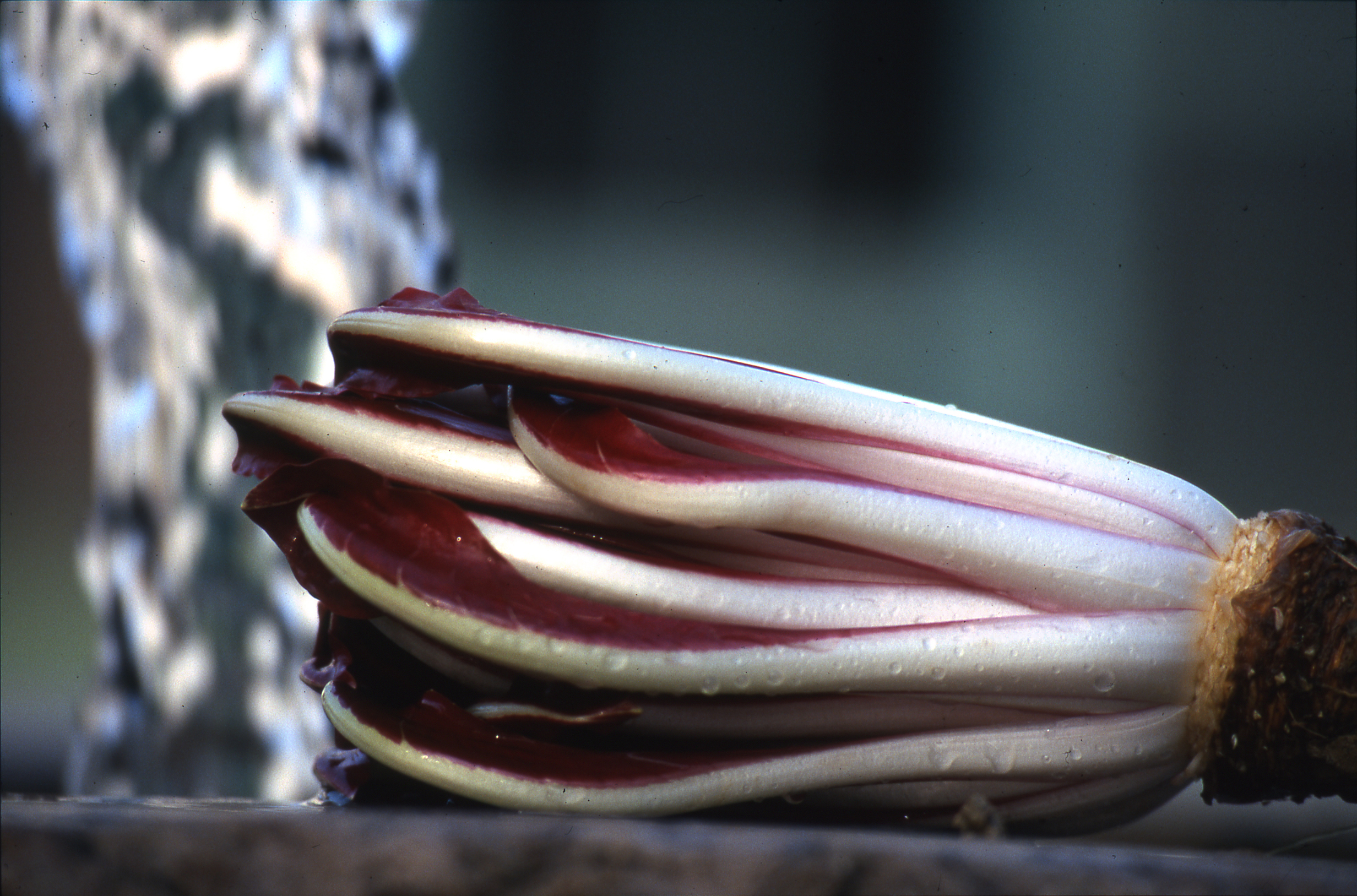
With this name we define a vegetable whose color goes from ruby red to purple and that belongs to theÌý³¦¾±³¦³ó´Ç°ù¾±³Ü³¾Ìýgenus and theÌý¾±²Ô³Ù²â²ú³Ü²õÌýspecies. It is usually to one of its varieties we think when we speak ofÌý°ù²¹»å¾±³¦³¦³ó¾±´Ç.ÌýIts most famous representatives are theÌýradicchio rosso di Treviso IGP,Ìýtapered in shape and with narrow leaves; theÌýradicchio rosso di Chioggia IGP,Ìýof rounder shape and theÌýradicchio rosso di Verona IGP,Ìýwhich looks pretty much like theÌýradicchio rosso di Treviso,Ìýbut has much wider leaves. The redÌý°ù²¹»å¾±³¦³¦³ó¾±´ÇÌýof Treviso has a long history of culinary tradition in Italy: grown since the 16thÌýcentury, it used to be considered the vegetable of the poor and was often used as animal feed. How it turned from this to one of the most respected ingredients in seasonal Italian cuisine, we do not know.
Radicchio Variegato (bicoloredÌýradicchio)

This type ofÌý°ù²¹»å¾±³¦³¦³ó¾±´ÇÌýis characterized byÌýleaves of a yellowish-green hue, covered in small, reddish dots. The most famous of allÌýradicchi variegatiÌýis that ofÌýCastelfrancoÌýIGP, which has been obtained by crossing the redÌý°ù²¹»å¾±³¦³¦³ó¾±´ÇÌýof Treviso and theÌýindivia scarola,Ìýanother plant belonging to the chicory genus.
Radicchio Verde (green radicchio)
If redÌýradicchioÌýis a very generic type of nomenclature, greenÌýradicchio is even more problematic, as it can be used for almost allÌýtypes of bitter chicory. TheÌýradicchio verde pan di zucchero,Ìýwith tapered shape and large leaves, and theÌýradicchio verde selvatico,Ìýwhich comes in different varieties itself, are theÌýbest known green radicchiÌýin Italy.
Most types ofÌýradicchioÌýcan be further classified inÌýprecoceÌýandÌýtardivo,Ìýthat is, of earlier and later maturation, a factor that defines not only the moment the vegetable is ready to be consumed, but also its taste.
Radicchio and its properties
All varieties of this vegetableÌýare extremely healthy, this is whyÌýradicchioÌýshould always find a place on our autumnal table. It contains potassium, sodium, phosphorus, iron, magnesium, copper, calcium, manganese, an enormous amount of vitamins and aminoacids.Ìý¸é²¹»å¾±³¦³¦³ó¾±´ÇÌýis, of course, virtually fat free and has only about 14 calories for 100 grams,Ìýso it isÌýa good option, as all vegetables, if you are on a diet of some sort. In name of its bitterness, it is said to increase appetite in people suffering from lack of it, to whom is often served before a main meal as a starter. It helps fight anaemia and it is also known for its depurative qualities, especially for the liver. It is a diuretic, a mild laxative and even helps fighting temperature: seriously, is there anything this favorite of the Fall cannot do?
Indeed, itsÌýproperties are plentiful, but, above all,Ìý°ù²¹»å¾±³¦³¦³ó¾±´ÇÌýis an excellent tonic for the immune system, and it is said to help prevent colds and flu. If you suffer from seasonal voice loss, or you would like to prevent it, try aÌýmixture of 100 gr ofÌý°ù²¹»å¾±³¦³¦³ó¾±´Ç,Ìýa tablespoon of hedge-mustard, two tablespoons of thyme honey and 200 ml of water. Mince theÌý°ù²¹»å¾±³¦³¦³ó¾±´ÇÌýthinly in a food processor, then filter the mixture obtained. In the meanwhile, boil the water and place the hedge-mustard to steep into itÌýfor about 15 minutes. Filter it, add the thyme honey and, once it has cooled, add theÌýradicchio’s juice previously filtered. This should be consumed by the tablespoon throughout the day.
RadicchioÌýcan be incredibly helpful for those suffering from constipation, too: get 1 litre and a half of mineral water, possibly a variety containing sulphur in highÌýquantities, and bring it to the boil. To it, add 100 gr ofÌý°ù²¹»å¾±³¦³¦³ó¾±´Ç,Ìýpreviously chopped, and let it steep for 15 minutes. Filter the mixture, making sure to squeeze all the water off theÌý°ù²¹»å¾±³¦³¦³ó¾±´ÇÌýinto it, add a tablespoon of acacia honey and drink daily.
Last, but certainly not least,Ìý°ù²¹»å¾±³¦³¦³ó¾±´ÇÌýis great for our liver as it helps detoxing it. Blend 150 grÌýofÌýradicchio with two medium-sized apples, a sliced andÌýa celery stalk. Once these ingredients have been properly blended, add 50 drops of artichoke mother tincture. Have this instead of dinner for a week to cleanse your liverÌýand help improve its functions.
Radicchio in the Kitchen
And now, let us say something about what to do withÌý°ù²¹»å¾±³¦³¦³ó¾±´ÇÌýin the kitchen. As said above, this ingredient is particularly loved in the north-eastern regions of Italy, where many of its finest varieties come from. All types ofÌý°ù²¹»å¾±³¦³¦³ó¾±´ÇÌýcan be eaten both raw and cooked: if you prefer it raw, then you need to do nothing more than what you do to prepare common lettuce. Mind, though: rawÌý°ù²¹»å¾±³¦³¦³ó¾±´ÇÌýis usually used as an ingredient for salads, rather than consumed on its own. CookingÌý°ù²¹»å¾±³¦³¦³ó¾±´Ç,Ìýis a different pair of hands: recipes are plenty and often lay their origins in a long lost past. TheÌýradicchio di Verona,Ìýfor instance, is great for grilling and barbequeing, as its elongatedÌýyet compact shape makes it ideal for this type of cooking. TheÌýradicchio tardivo di TrevisoÌýis immensely popular in Veneto as an ingredient for pasta and rice dishes. It can also be used to prepare meats, roasts and rolls, as well as being added to sauces.Ìý¸é²¹»å¾±³¦³¦³ó¾±´ÇÌýis also a great side dish when sautéd with olive oil, salt lemon or garlic.
Some Recipes
Let’s face it: this is what you really came here for, recipes to experience some more Italian food’s deliciousness! As we atÌý±ô¾±´Ú±ð¾±²Ô¾±³Ù²¹±ô²âÌýadore good food, it is a true pleasure to comply… Here comes the sample for an entire menu based onÌý°ù²¹»å¾±³¦³¦³ó¾±´Ç:Ìýtry these recipes and let us knowÌýhow it goes, maybe even with some photos and comments on our ÌýorÌýÌýusÌý(@LifeInItaly14).
Come on, put on that apron and let’s get started!
L’Antipasto: Crespelle al ¸é²¹»å¾±³¦³¦³ó¾±´ÇÌý
Now, do not panic:ÌýcrespelleÌýare nothing more and nothing less than good, old fashionedÌý³¦°ùê±è±ð²õ. Just, you know the way it is between we Italians and the French: we love each other, in the end, but when it comes to food, both nations feel like it is June 1940 all over again and no! We call stuff our own way, not theirs! (France, je t’adore,Ìýdo not get this wrong,Ìýs’il te plaît!).
TheseÌýcrespelleÌýare heart warming and creamy, and every mouthful seems to carry within all the colors of the Italian Fall.
IngredientsÌý(4 people)
- 3 eggs
- 200 gr of flour
- 1/2 liter of milk
- 2 teaspoons of butter
- 3 heads ofÌýradicchio di Treviso
- 6 artichokes
- 200 gr of smoked, gratedÌýscamorza
- 250 ml of bechamelÌýsauce (you can buy a ready made pack or make it yourself )
- 1 tablespoon of thyme
- 1 glass of white whine
- 1 clove of garlic
- 4 tablespoons of Ìýextra-virgin olive oil
- 1 lemon
- salt and pepper
First of all, prepare theÌýcrespelle: mix together, either by hand or in a food processor, the eggs, flour and a pinch of salt. Let the batter rest in the fridge for at leastÌýan hour, then cook them just as you would do for pancakes,Ìýadding a tiny bit of butter in a non-stick pan and pouring the right amount of batter in it. Remember, though, thatÌýcrespelleÌýare much, much thinner than pancakes and larger in diameter (once again, think of howÌý³¦°ùê±è±ð²õÌýlook like and you have it). Once they are ready, or while the batter is resting in the fridge, you can take care of the vegetables: clean the artichokes then sautéd them with the extra virgin olive oil and the garlic –Ìýwhich you will need to peel and mash a bit – for about 15 minutes. Add the white wine,ÌýtheÌý°ù²¹»å¾±³¦³¦³ó¾±´ÇÌýand cook everything for an extra 5 minutes, then season with salt, pepper and the thyme. Stir well and voilà , your veggies are done.
Turn your attention to theÌýcrespelleÌýagain: spread bechamelÌýsauce on each of them, then stuff them with the vegetable mix and some grated smokedÌýscamorza.ÌýFold theÌýcrespelleÌýin a half to close them,Ìýthen place them in anÌýoven dishÌýyou have previously buttered slightly (the butter is needed to avoid theÌýcrespelleÌýsticking to the dish, so keep the amount to a minimum). As this dish has to be served hot, you can either bake it straight away, if it is dinner time already, or cover the oven dish with some cling film and keep it in the fridge until about 20 minutes before eating. Heat the oven at 180 C (355 F),Ìýspread the remaining bechamelÌýon top of theÌýcrespelleÌýand cook for 15 minutes. Turn on the grill for the last 5 minutes of baking so that they get nice and crispy. Serve very hot.
Il Primo: Risotto Radicchio,ÌýSalsiccia e Prosecco

Ok, so: it is aÌýrisotto.ÌýWith Italian sausage. AndÌýprosecco.ÌýYou cannot fail with this.Ìý¸é²¹»å¾±³¦³¦³ó¾±´ÇÌýinÌýrisottoÌýis extremely popular and this is only one of many types of this popular Italian dishÌýyou can prepare with our delightful favorite veg of the Fall. Delicious areÌýrisottoÌýwithÌý°ù²¹»å¾±³¦³¦³ó¾±´ÇÌýandÌýspeck,Ìýas well as a version withÌý°ù²¹»å¾±³¦³¦³ó¾±´ÇÌýandÌýgorgonzola.Ìý
IngredientsÌý(4 people)
- 500 gr ofÌývialone nanoÌýrice, or any high qualityÌýrisottoÌýrice, such asÌýCarnaroli.Ìý
- 5-6 Italian sausages (or 500-600 gr of coiled Italian sausage)
- 2 heads ofÌýradicchio rossoÌý(any variety)
- 2 shallots
- 1 glass ofÌýprosecco
- 1 vegetable stock cube
- 3 tablespoons of extra virgin olive oil
- 4 tablespoons ofÌýparmigiano reggianoÌý
- 1 red onion
- 1 glass of red wine
- some cream of balsamic vinegar
- salt and pepper
Chop the shallots very thinly (you can use a food processor for it, if you want) and slice theÌý°ù²¹»å¾±³¦³¦³ó¾±´ÇÌýin stripes. Heat up some extra virgin olive oil in a frying pan, then add the shallots and theÌýradicchioÌýand sauté until the shallot is golden. Remove the skin from the sausage and add the sausage meat to theÌý°ù²¹»å¾±³¦³¦³ó¾±´Ç.ÌýSauté it, making sure to break it into small pieces while it cooks (last thing you want is giant lumps of meat in yourÌýrisotto!). Once it is cooked properly, add the glass ofÌýproseccoÌýand let it evaporate, then add the rice and let it toast for a few minutes: while doing so, stir occasionally to avoid the rice sticks to the bottom of the pan. In the meanwhile, prepare your vegetable stock by adding the stock cube to a litre of boiling water. Of course, if you have the time and feel like it, you can make your own vegetable stock. At this stage, as it happens for all types ofÌýrisotto,Ìýyou will add the stock to the rice gradually, letting it cook on a low to medium heat until it is fully absorbed.
While the rice cooks, slice the red onion and cook it inÌýred wine for at least 30 minutes, adding some salt.
When the risotto is ready, add a tablespoon of butter,ÌýtheÌýparmigiano reggianoÌýand stirÌýwell. Serve theÌýrisottoÌýwith a drizzle of cream of and a spoonful of red onion either on top or on the side.
Il Secondo: Involtini di Carne, Pancetta e Radicchio
This is a relatively simple recipe you can whip together quickly, without renouncing to taste and all the fantastic properties ofÌý°ù²¹»å¾±³¦³¦³ó¾±´Ç.ÌýYou can serve theseÌýinvoltiniÌý(°ù²¹»å¾±³¦³¦³ó¾±´ÇÌýrolls) with seasonal roasted vegetables or a simple mixed salad, to keep it fresh and healthy.
IngredientsÌý(4 people)
- 2 large heads ofÌýradicchio rosso di Treviso
- 350 gr of minced beef
- 1 egg
- 50 gr of gratedÌýparmigiano reggiano
- 1 clove of garlic
- 1 bunch of thinly chopped parsley
- 6 leaves of fresh sage
- 1 glass of white wine vinegar
- 100 gr of thinly sliced bacon (even better if you can get your mitts on some ItalianÌýpancetta)
- balsamic vinegar
- extra virgin olive oil
- salt
- freshly ground black pepper
First of all, mix together the mince with the egg, parsley, parmesan, salt, pepper and the previously chopped (thinly!) garlic and sage leaves. Then bring to the boil a pan full of water and add the white wine vinegar to it. Place theÌýradicchio di TrevisoÌýleaves in it for few seconds, drain them and place them on a clean kitchen cloth. Take the meat and herbs filling and place some of it along the length of the leaves: make sure it is not too much, because you will need to roll and close the involtiniÌýcomfortably, yet, do not be too stingy either! Keep on doing so until you finish the filling, then roll each leave around it to form theÌýinvoltino. Wrap a slice of bacon around each of them, place the stuffedÌý°ù²¹»å¾±³¦³¦³ó¾±´ÇÌýleaves on aÌýlightly oiled oven trayÌýand cook under the grill for about 5-8 minutes, shaking the tray occasionally to turn them. Serve very hot, drizzled in balsamic vinegar.
As you can see,Ìý°ù²¹»å¾±³¦³¦³ó¾±´ÇÌýis a true favorite of the Fall in Italy. Used to cook and to cure,Ìý°ù²¹»å¾±³¦³¦³ó¾±´ÇÌýhas a long history of excellence, a fact shown by the IGP denominations of the majority of its varieties. If you never tried it, you may be scared by the idea of eating itsÌýbitter tasting leaves, but trust us and give it a go: when raw, its crunchiness andÌýbitterness add such a punch to an otherwise boring green salad. When cooked,Ìýit is an amazing companion for creamy, comforting rice dishes and meats. Just try it, maybe following one of our recipes, and you, too, will understand why Italy is so fond of its beautiful, bitter, burgundy colored vegetable that comes from the cold.
By Francesca Bezzone


