Turin Itineraries and Tours
Piedmont has some of theÌýmost decadent and beautiful of all landscapes of the Northern area ofÌýthe country, however, it’s also a region left relatively untouched by mass tourism. Or so it was until a decade ago, whenÌýthe treasures and tranquility ofÌýthis land wereÌýdiscovered. This beautiful region is often defined asÌý“Tuscany without all the touristsâ€�, due to the amazing privacy and picturesque atmosphere offered by itsÌýhills, vineyards and Ìýtheir incredible landscape.
The PiedmonteseÌýperfected over the years an art, that of enjoying and savoring simple life and its pleasures.ÌýThis is visible alsoÌýin many aspects of their cities:Ìýthe food, the marketplaces and even the overall way of life of their inhabitants all seem to reflect it.ÌýUnlike other areas ofÌýItaly, ÌýPiedmont holds a much slower-pace mentality. As a matter of fact,ÌýlocalsÌýare quite thankful and content for their relaxed lifestyle. Finding the treasures of Piedmont is priceless.
The Winter Olympics of 2006 wereÌýheld in Piedmont (and received international attention) also because of the region’sÌýincredible value, landscape and rich heritage. Piedmont is also known for one of the largest wilderness areas in Italy, . This region is also known for its white truffles,Ìýhazelnuts and special chocolates, already enough reasons to visit on their own. Yet, in this article, we’ll look at Piedmont’s capital, the city of , on its own a true jewel of Italian culture, art and tradition. Let’s see now the .
 La Mole Antonelliana, one of the symbols of Turin
DAY ONE, TURIN ITINERARY – PIAZZA CASTELLO, PALAZZO MADAMA
Within the great region of Piedmont rests the fourth largest city in Italy, Turin. The rich past of this old cityÌýresulted in world-class museums, historic cafés and elegant squares. The beautiful TurinÌýis lined with cobblestone streets that createÌýa magical, surreal atmosphere. Some of the great benefits to Turin are that it’s relatively inexpensive, green in atmosphere, easy to get around and refreshingly free of crowds. Turin is known for truly giving a taste of the Italian culture without being aÌýwell-known,Ìýover populated Ìýtouristic center.
 Piazza Castello, Turin
Ph. depositphoto.com/claudiovizia
Piazza Castello is the central square of Turin, whereÌýa wealth of museums, theaters and cafés are found. This grand piazza was originally constructed for the Savoias, Piedmont’s royal house.ÌýCentral to Piazza Castello isÌýÌýa majestic building enclosing Roman, Medieval and Baroque architectures in its structure.
TheÌýcastle was built in the 13th Century on the site of anÌýold Roman gate. It was named after Madama Reale Marie Cristine, who was the widow of Vittorio Amedeo I. Currently, part of this palace is occupied by the Museo Civico d’Arte Antica.
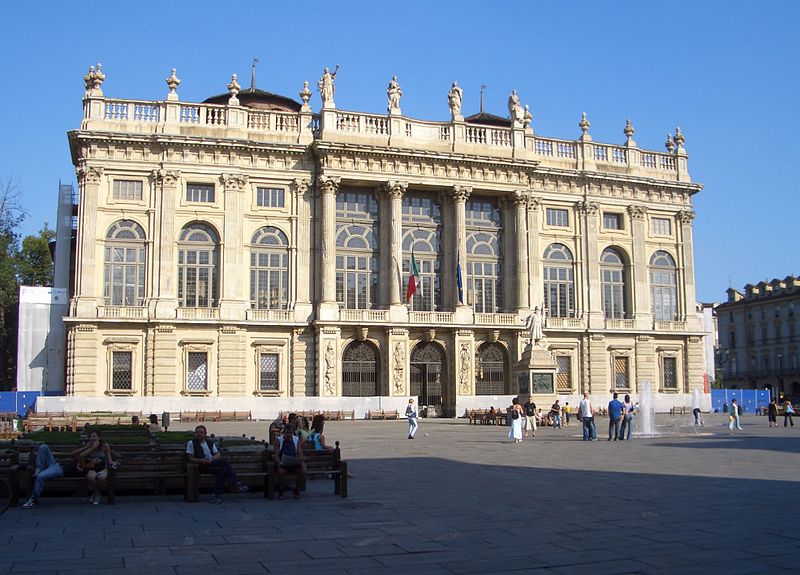 The Baroque façade of Palazzo Madama (wikimedia.org)
DAY TWO, TURIN ITINERARY – CHIESA DI SAN LORENZO, PALAZZO REALE, DUOMO DI SAN GIOVANNI & MUSEO NAZIONALE
The Chiesa di San Lorenzo is aÌýbaroque beauty located in the Northwestern corner ofÌýPiazza Castello,Ìýdesigned byÌýGuarino Guarini. This grand church exhibits rich, impressive and complex interior, which showcases yet another historic aspect to this old square.
 Chiesa di San Lorenzo (wikimedia.org)
Upon the entrance to another corner of the square are the statues of the mythical twinsÌýCastor and Pollux, guardingÌýPalazzo Reale. Inside this grand house are decadent rooms housing old furnishings, porcelainsÌýand other antique and unique knick-knacks. This house and its special rooms were originally built for the Savoias, around 1646. The area surrounding it is known asÌýGiardini RealiÌýand they are one of the best loved areas of Turin by the locals: they were designed byÌýAndréÌýle Notre, in 1697, who was also behind the majestic gardens of Versailles. ÌýPart of Palazzo RealeÌýis itsÌýArmeriaÌý(theÌýArmeria Reale) which can be also visited.
The is TurinÌýCathedral, built between 1491 and 1498 on the grand and spectacular site of three 14th century Basilicas. This is also the home of the famous Shroud of Turin. A copy of the cloth is on display in front of the alter in the Cathedral. Famous is also its bell tower, which stands alone, off to the west side of the structure. This was designed and built in 1723. Within the same, small square where the Cathedral stands (just offÌýPiazza Castello)ÌýlieÌýthe Roman amphitheater and the Porta Palatina, both of which are of great value and a spectacular sight to see.
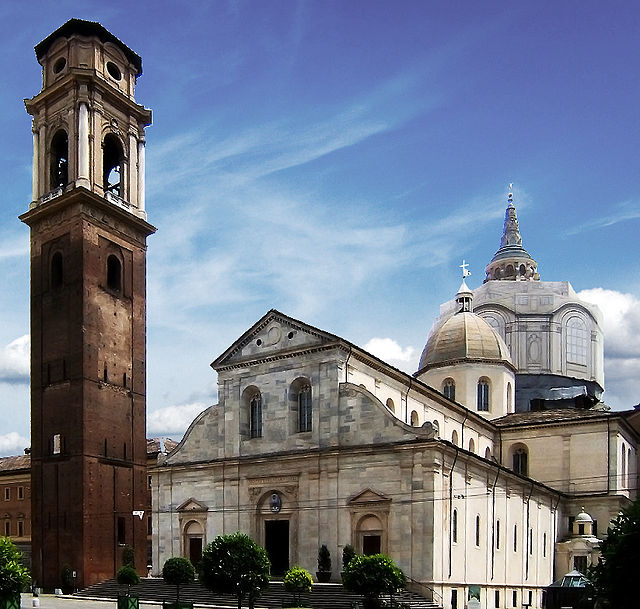 Turin’s Duomo di San Giovanni (wikimedia.org)
DAY THREE, TURIN ITINERARY – PALAZZO DELL’ACCADEMIA & GALLERIA SABAUDA
Palazzo Dell’Accademia delle Scienze is quite large in size and houses two grand and outstanding museums: theÌý and the Galleria Sabauda. ÌýThe Museo EgizioÌý hold some of Europe’s most important ancient and Egyptian treasures and artifacts. The Galleria Sabauda contains the SavoiaÌýfamily’s valuable and incredible art collection. It’s quite the sight to see and experience, andÌýthe grand texture and excellent structure of the Palazzo itselfÌýdemand respect.
Enjoy Andrew Graham-Dixon and Giorgio Locatelli’s visit to Turin. From the series “Italy Unpacked”
By Joey Papa


